Am I experiencing Verbal GBV?
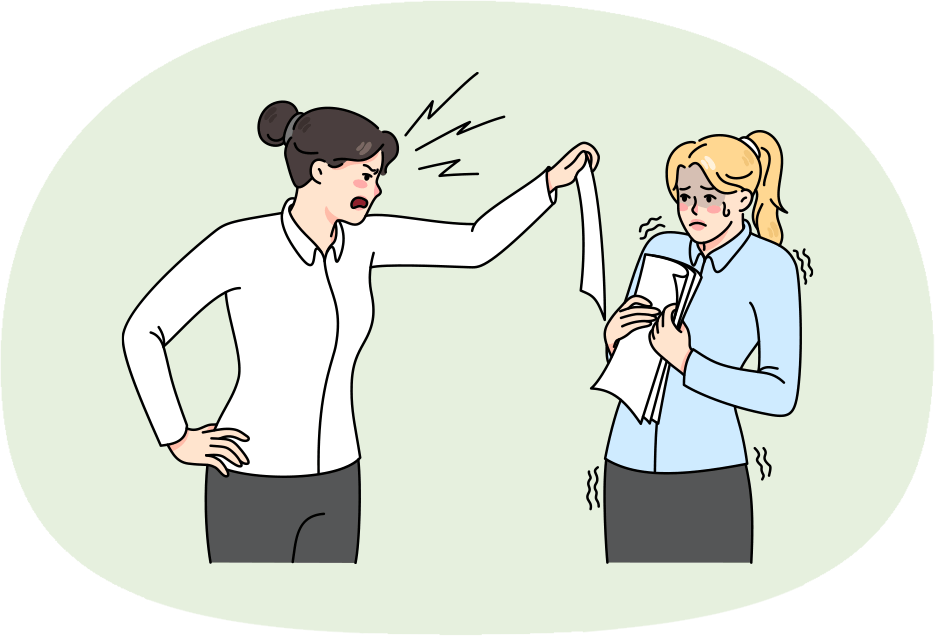
Have you ever heard, received or taken part of making jokes or comments where words like, “bakla”, “tomboy”, or “trans” are used as insults or jokes? Maybe you’ve also heard heads of unit or professors make gender-insensitive and hurtful remarks towards staff, colleagues, or students?
It’s crucial to understand that verbal gender-based violence (GBV) can come in many forms – through spoken words, written statements – SMS, chat, posts, academic papers, videos, photos or even memes.
Here are some examples to help you identify if you have been a victim or maybe unknowingly a perpetrator:
Derogatory names
-
Work and gender-related verbal violence
-
Blaming based on SOGIESC
-
-
Condescending remarks
-
-
Sexist remarks
-
-
Benevolent sexism
-
-
Degrading words
-
-
Name-calling
Blaming based on SOGIESC
-
-
Condescending remarks
-
-
Sexist remarks
-
-
Benevolent sexism
-
-
Degrading words
-
-
Name-calling
Sexist remarks
-
-
Benevolent sexism
-
-
Degrading words
-
-
Name-calling
Degrading words
-
-
Name-calling
You are calling someone with pet names or teasing them in a way that hides misogyny.
Insensitive remarks against GBV Survivor/Victim blaming
-
-
Homophobic and transphobic remarks
-
-
-
Verbal Bullying
-
-
Insensitive jokes
-
-
Body shaming
Verbal Bullying
-
-
Insensitive jokes
-
-
Body shaming
Body shaming
This is rooted in societal expectations and standards of beauty
Someone shamed my appearance and even categorized me using the following:
Filming of pranks
-
Fake coming out
Someone I know made a fake coming out video as a prank/a joke.
This trivializes the emotional and psychological challenges faced by individuals who genuinely go through the process of coming out.
Misuse of pronouns and deadnaming
-
-
Verbal manipulation
-
-
Accusatory remarks
-
-
Verbal threats
-
-
Backhanded compliments and criticisms
-
-
Slanderous remarks
-
-
-
Accusatory remarks
-
-
Verbal threats
-
-
Backhanded compliments and criticisms
-
-
Slanderous remarks
-
-
-
Backhanded compliments and criticisms
-
-
Slanderous remarks
-
-
-
To read and understand more about these acts of gender-based violence, you may access this:

GBV Prevention & Response Materials